Causes
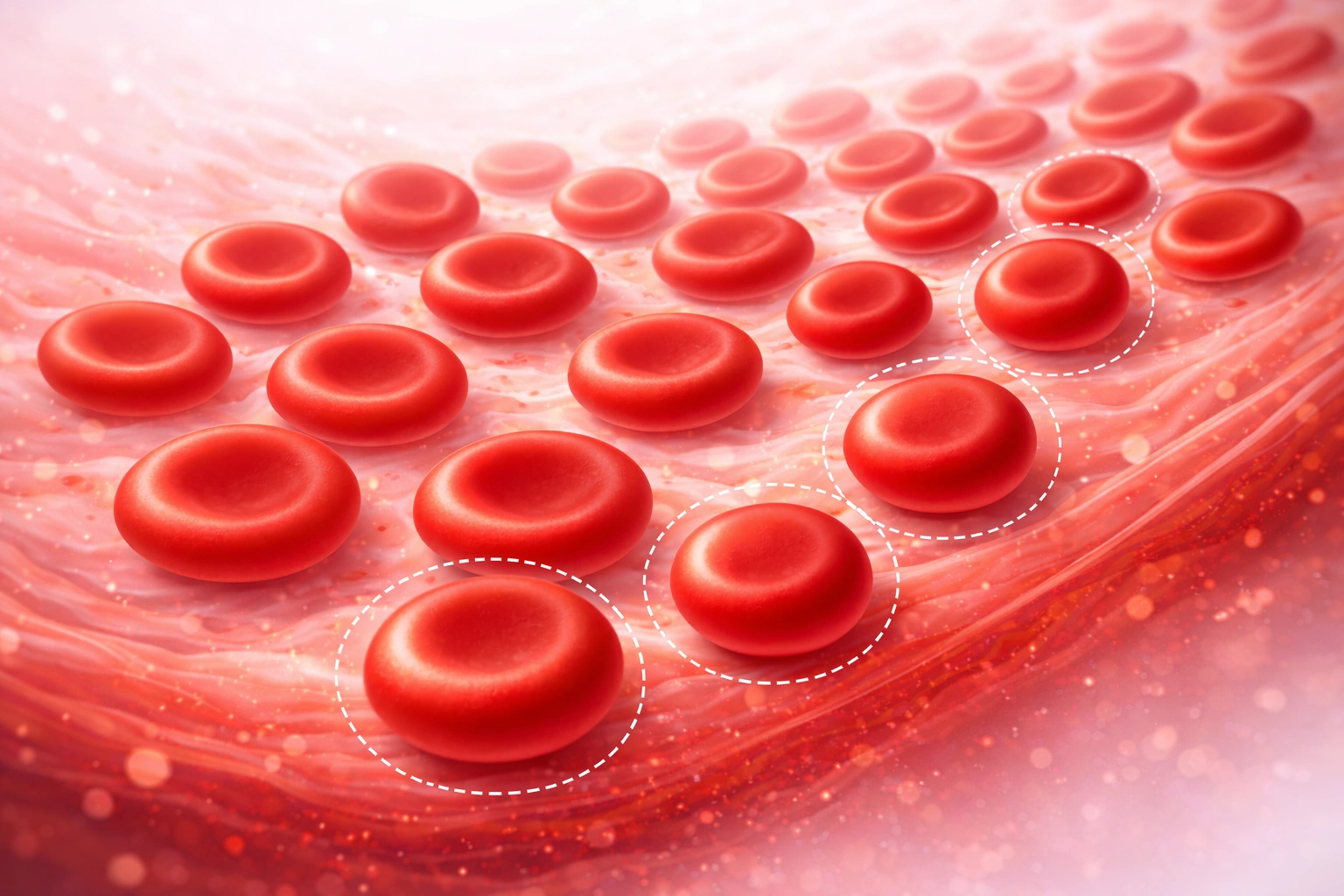
Spherocytosis is an inherited disease that is caused by genetic mutations affecting the proteins responsible for the structure and stability of the red blood cell membrane. These mutations usually occur in genes encoding proteins such as spectrin, ankyrin, band 3, or protein 4.2. The result of these genetic changes is the abnormal shape of the red blood cells, which are spherical instead of the usual double-bulging disc, which leads to their greater fragility and reduced lifespan. These abnormal blood cells are then removed more quickly by the spleen, causing anemia.
Spherocytosis is inherited in an autosomal dominant or recessive manner, meaning that the disease can be passed from one or both parents to offspring. Heredity and specific genetic mutations play a key role in the severity and manifestations of the disease.
Diagnosis
Spherocytosis is diagnosed based on a combination of clinical symptoms and laboratory tests. The disease usually reveals the presence of symptoms such as paleness, fatigue, jaundice and enlarged spleen. To confirm the diagnosis, blood tests are performed, which show abnormally shaped red blood cells (spherocytes) and reduced osmotic resistance of erythrocytes, which is an indicator of hemolysis, i.e. rapid destruction of red blood cells. The severity of hemolytic anemia is confirmed by an increase in the level of bilirubin in the blood and the presence of reticulocytes. Other diagnostic tests may include a direct Coombs test and family history analysis to help detect genetic predispositions. The diagnosis of spherocytosis is often made at an early age, usually at first symptoms or in children with a family history.
Symptoms
Spherocytosis is an inherited disease that affects red blood cells and presents with different symptoms depending on the severity and specific genetic background of the individual. The main manifestations are anemia, jaundice and an enlarged spleen.
Anemia
Anemia is one of the most common symptoms of spherocytosis. Abnormally shaped red blood cells, known as spherocytes, have a shorter lifespan than normal blood cells. Due to their spherical shape, they are more susceptible to destruction in the spleen, which leads to their faster removal from the bloodstream. This causes a lack of red blood cells, leading to anemia. Symptoms of anemia include fatigue, weakness, pale skin, and shortness of breath, especially with physical activity.
Jaundice
Jaundice, or icterus, is another common symptom of spherocytosis. It occurs due to an increased level of bilirubin in the blood, which is a by-product of the breakdown of red blood cells. With increased destruction of spherocytes, bilirubin accumulates in the body, which causes yellowing of the skin and the whites of the eyes. Newborns with spherocytosis may have marked neonatal jaundice, which often requires treatment such as phototherapy to lower bilirubin levels.
Splenomegaly
An enlarged spleen, known as splenomegaly, is a common manifestation of spherocytosis. The spleen plays a key role in removing damaged or abnormal red blood cells from the bloodstream. In people with spherocytosis, the spleen has to work harder to remove more spherocytes, causing it to enlarge. Splenomegaly can cause abdominal pain and a feeling of fullness, and in severe cases can increase the risk of infections. Sometimes the spleen needs to be surgically removed (splenectomy) to reduce the destruction of red blood cells and relieve symptoms.
Spherocytosis can also have other manifestations, such as fatigue, frequent infections and growth problems in children. Thanks to early diagnosis and appropriate treatment, it is possible to alleviate symptoms and improve the quality of life of affected individuals. Medical care includes regular blood count monitoring, symptomatic treatment of anemia and, in more severe cases, surgical interventions.
Complications
Hemolytic crisis
A hemolytic crisis is an acute condition characterized by a sudden and significant increase in the destruction of red blood cells (hemolysis). In patients with spherocytosis, a hereditary form of hemolytic anemia, this type of crisis is triggered by, for example, infections, physical exertion or stress. During a hemolytic crisis, anemia rapidly worsens, leading to increased yellowness (icterus) due to high levels of bilirubin, which is produced when red blood cells break down. Patients often experience extreme fatigue, paleness, abdominal pain, may have fever and dark urine. The diagnosis is confirmed by blood tests that show elevated levels of bilirubin and reticulocytes, which are young red blood cells produced in response to the increased need to replace destroyed blood cells. A hemolytic crisis requires immediate medical attention and often transfusion of red blood cells to restore normal levels and ensure adequate oxygenation of body tissues.
Aplastic Crisis
Aplastic crisis is an acute condition that can occur in people with spherocytosis, usually caused by parvovirus B19 infection. This virus attacks the bone marrow and temporarily stops the production of red blood cells. For patients with spherocytosis, who already have increased destruction of red blood cells, stopping their production is particularly dangerous. Without new red blood cell production, the number of red blood cells in the bloodstream will quickly drop to dangerously low levels, which can lead to severe anemia.
Blood transfusions
Red blood cell transfusions are often necessary in hemolytic and aplastic crises. Hemolytic crisis, characterized by the rapid breakdown of red blood cells, leads to severe anemia and a significant drop in hemoglobin, causing jaundice, fatigue, and shortness of breath. Aplastic crisis, caused by the cessation of new red blood cell production, also leads to severe anemia, which can manifest as weakness, pallor, and other symptoms of lack of oxygen in the tissues. Transfusions are necessary to quickly increase the red blood cell count and stabilize the patient until the body returns to normal blood cell production.
Long-term effects and risks
Reduced immunity
Spherocytosis can lead to reduced immunity, especially in patients who have undergone splenectomy (surgical removal of the spleen). The spleen is an important organ in the immune system because it helps filter bacteria and other pathogens from the blood and produces antibodies that fight infection. Without a spleen, the body is less able to effectively fight off certain bacterial infections, increasing the risk of serious and sometimes life-threatening infections such as pneumococcal, meningococcal, and Haemophilus influenzae type b (Hib) infections. Therefore, it is important for post-splenectomy patients to follow preventive measures, including regular vaccinations and possibly prophylactic use of antibiotics, to reduce the risk of infections and ensure the best possible protection of their health.
Gallstones
Patients with spherocytosis have an increased risk of developing gallstones, which is caused by the excessive breakdown of red blood cells. When abnormally shaped red blood cells are destroyed more quickly, they release large amounts of bilirubin, a byproduct of this breakdown. An increased level of bilirubin in the body can lead to the formation of bilirubin stones in the gallbladder. These stones can cause abdominal pain, especially after eating, nausea, vomiting and, in some cases, inflammation of the gallbladder (cholecystitis) or blockage of the bile ducts. Prevention and treatment include regular medical checkups, dietary changes, and in some cases, surgical removal of the gallbladder (cholecystectomy) to prevent complications associated with gallstones.
Treatment
Treatment of spherocytosis focuses on alleviating symptoms and preventing complications associated with this disease. One of the main approaches is to take folic acid, which promotes the formation of new red blood cells and helps compensate for their shortened lifespan. This supplement is important for patients facing chronic anemia because it increases the number of red blood cells in the blood and contributes to better tissue oxygenation. In some cases, diet and lifestyle changes may be recommended, including a balanced diet and regular health monitoring.
In more severe cases of spherocytosis, when symptoms such as severe anemia and an enlarged spleen are prominent, surgical intervention, specifically splenectomy (removal of the spleen), may be necessary. This procedure helps to reduce the destruction of red blood cells, which leads to an improvement in the blood count and relief of symptoms. After a splenectomy, it is important to follow preventive measures such as vaccination against pneumococci, meningococci and Haemophilus influenzae type b (Hib) to minimize the risk of infections, as the spleen is crucial for the body's immune defenses. Regular medical check-ups and careful health monitoring are essential for effective disease management and prevention of complications.
Life with spherocytosis
Although spherocytosis is a serious disease, modern medicine and early diagnosis allow effective management of this disease, which significantly improves the quality of life of patients. With treatment options available, such as folic acid and, if necessary, splenectomy, people with spherocytosis can lead full and active lives. Preventive vaccinations and health monitoring help prevent complications, which means that with the right care and support, patients with this disease can achieve their life goals and enjoy everyday activities just like their healthy peers. If you or your child has been diagnosed with hereditary spherocytosis, early understanding of the condition can make a significant difference. Recognizing symptoms early and working with healthcare professionals helps prevent complications and improves long-term outcomes.
Read more about
my personal story with spherocytosis and how I managed the condition.