Josef
June 19, 2026
Note: The approach to preventive antibiotics after splenectomy differs between countries, hospitals and individual patients. This article describes only my personal experience and should not be inter...

Hereditary spherocytosis can cause anemia and other symptoms, but many people with this condition live long and normal lives. The severity varies from person to person. With proper medical monitoring and care, most children grow up to live active and healthy lives.
Yes. Many children with hereditary spherocytosis go to school, play sports, and live normal lives. Some (also me) need surgical procedure - removal of the spleen - splenectomy. Some may experience fatigue or episodes of anemia, but with regular medical care they can usually participate in most everyday activities.
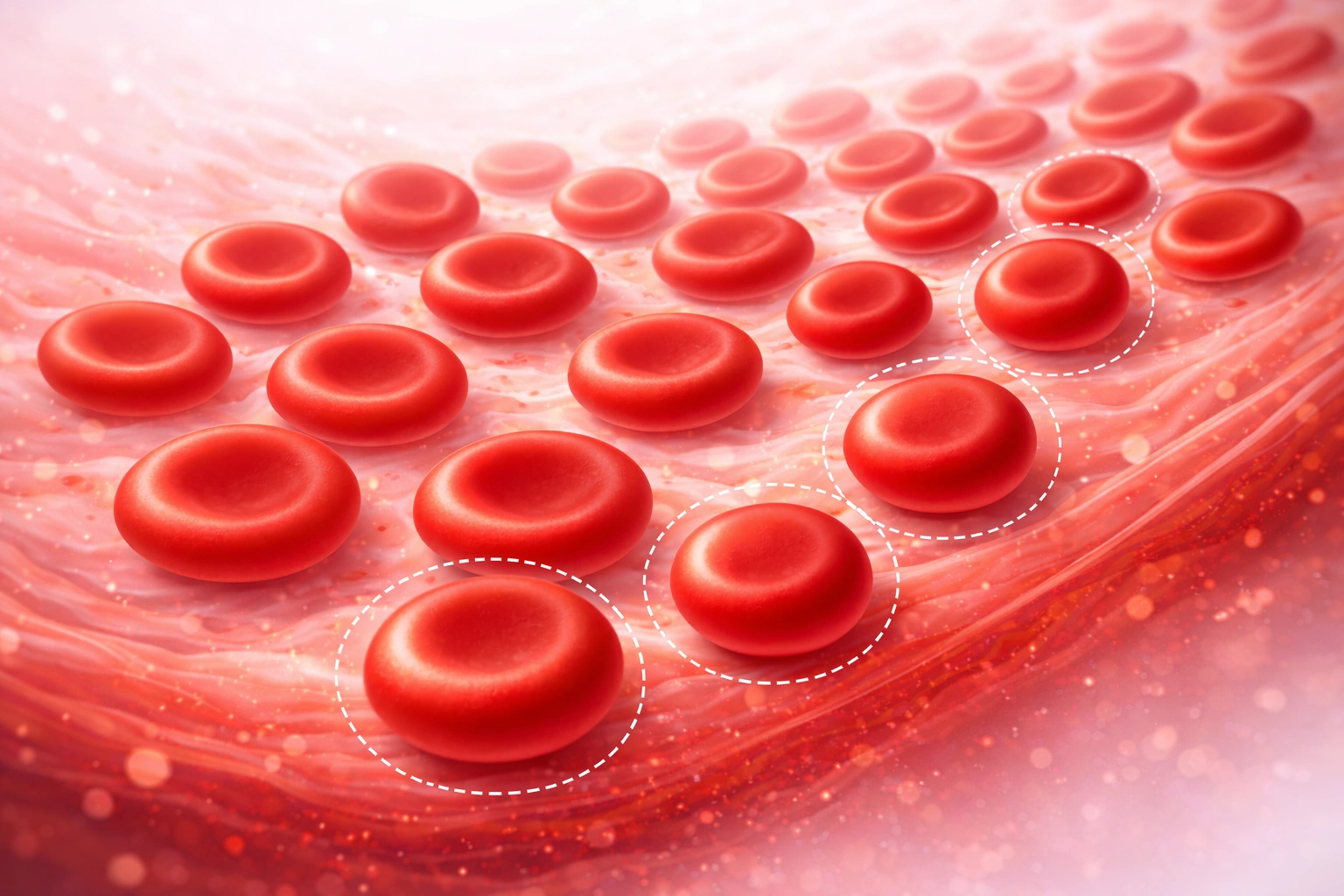
Hereditary spherocytosis is a genetic condition affecting the membrane of red blood cells. Because of this change, some red blood cells become more spherical instead of their normal disc shape. These cells are more fragile and are often removed from the bloodstream by the spleen.
Yes. In many cases the condition is inherited from one parent (autosomal dominant inheritance). In some cases it can appear for the first time in a child due to a new genetic mutation (just like me).
Symptoms may vary, but common ones include:
anemia (low red blood cell count)
fatigue or reduced energy
mild jaundice (yellowing of the skin or eyes)
enlarged spleen
gallstones later in life
Some children have very mild symptoms and may not notice many problems.
Not every child with hereditary spherocytosis needs surgery. In some cases, if symptoms are more severe, doctors may recommend removing the spleen (splenectomy). This decision is always carefully considered by medical specialists.
In most cases, yes. Physical activity is usually possible and even beneficial. However, contact sports may require caution if the spleen is enlarged. A doctor can advise which activities are safe for each child. In my case, I was not never allowed to train and play any sport a competitively. I had to accept it and deal with it. And I still played every sport I wanted - but only just for fun.
A hemolytic crisis occurs when red blood cells break down faster than usual. This may happen during infections or stress on the body. Symptoms can include fatigue, paleness, and worsening anemia. Doctors can help manage these episodes if they occur.
An aplastic crisis is a temporary condition where the body stops producing enough new red blood cells. It is often triggered by a viral infection such as parvovirus B19. Although it can be serious, it is usually temporary and treatable with proper medical care.
Parents should contact a doctor if a child develops:
unusual tiredness or weakness
pale skin
yellowing of the eyes or skin
abdominal pain (especially near the spleen area)
Regular check-ups help monitor the condition.
Most people with hereditary spherocytosis have a normal life expectancy, especially with modern medical care. Many adults with this condition lead active and fulfilling lives.